A high speed door is more than just a barrier; it is a piece of precision engineering designed for thousands of cycles per day. In a fast-paced logistics or manufacturing environment, a door malfunction isn’t just an inconvenience—it’s a bottleneck that affects your ROI and safety compliance.
While many issues can be resolved with basic troubleshooting, understanding the synergy between the motor, sensors, and the control system is key to a long-lasting repair.
Diagnostic Table: Quick Troubleshooting Guide Before diving into complex repairs, use this table to identify the root cause of the malfunction.
Symptom Potential Cause Recommended Action Door won’t open/close Sensor obstruction or Power loss Clean sensors; Check circuit breaker. Door stops halfway Limit switch error or Track debris Reset limit positions; Clean side tracks. Noisy operation Worn bearings or lack of lubrication Lubricate hinges/rollers; Replace bearings. Error code on screen Inverter or PLC fault Refer to manual for specific code (e.g., E.01). Door hits floor & bounces Incorrect bottom limit setting Re-calibrate the encoder limits.
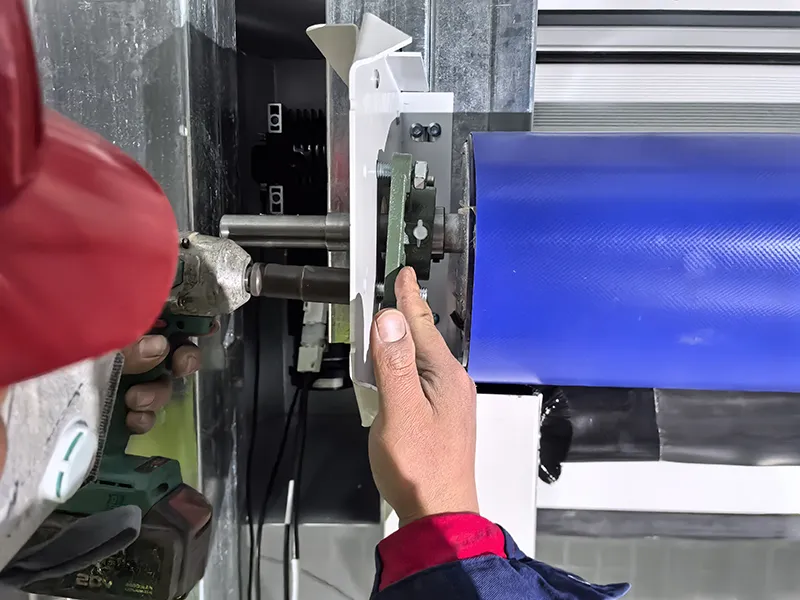
Advanced Repair Techniques: Beyond the Basics AResetting the Electronic Limits (Encoder) Modern high speed roll up doors use encoders rather than mechanical switches. If your door isn’t closing fully:
Enter the Control System programming mode.
Jog the door manually to the desired “Closed” position.
Save the value in the PLC. Repeat for the “Open” position.
Run a test cycle to ensure the rapid door stops smoothly at both ends.
Troubleshooting the Inverter (Frequency Converter) If the motor is unresponsive but has power, check the inverter display:
Over-current (OC): Usually means the door is jammed or the motor is overloaded.
Low Voltage (UV): Check the power supply stability or the wiring for loose connections.
Over-heat (OH): The door might be exceeding its duty cycle. Allow the motor to cool and check ventilation.
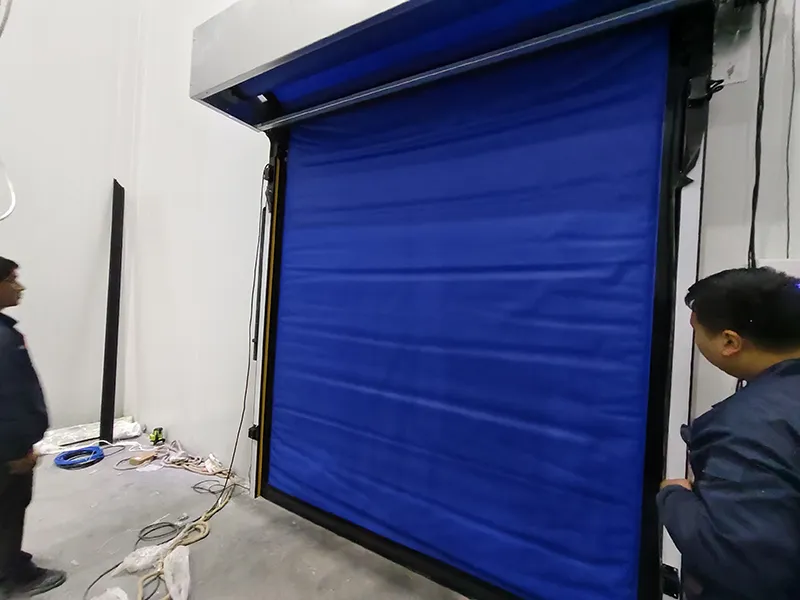
The “Self-Repairing” Logic: Zipper Door Special If you are using a zipper high speed door , a common “repair” is actually a built-in feature:
The Scenario: A forklift hits the curtain and knocks it out of the tracks.
The Fix: Simply cycle the door to the fully open position. The unique zipper teeth will automatically re-align and guide the curtain back into the tracks. No tools required!
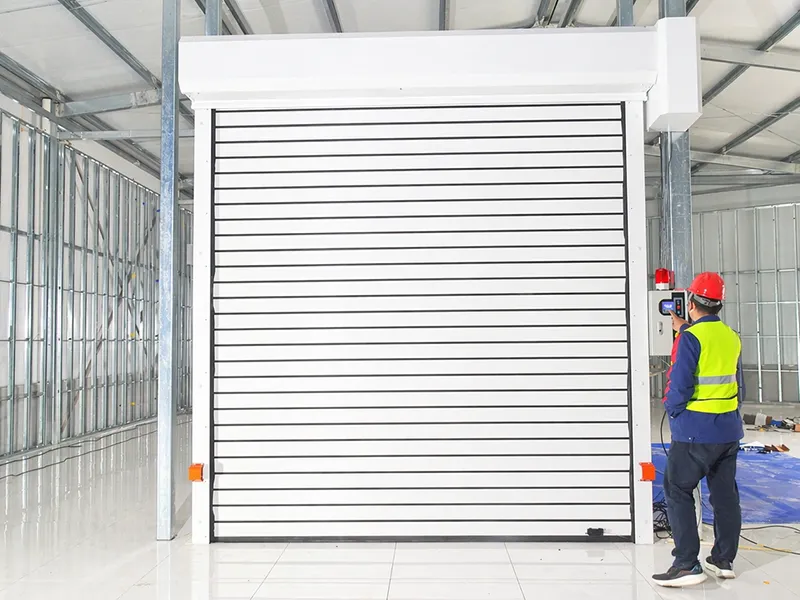
Safety First: The Photoelectric & Wireless Edge A high speed coiling door moves at speeds up to 2.0m/s. Safety systems are non-negotiable:
Infrared Photocells: If the door reverses for no reason, check for dust on the lenses or misalignment caused by vibrations.
Wireless Safety Edge: If the bottom seal is damaged, it may send a false “obstacle detected” signal. Ensure the wireless battery is charged and the rubber rib is intact.
Preventive Maintenance: The 1-2-3-4 Rule As a leading high speed door manufacturer , YUOU® recommends this schedule to prevent 90% of common repairs:
Weekly: Visual check of the curtain for tears and cleaning of the sensors.
Monthly: Lubrication of the side tracks and checking bolt tightness.
Quarterly: Testing the emergency stop button and manual hand-crank.
Annually: Professional inspection of the motor brake and control system firmware updates.
Conclusion Selecting the right material handling system is not a one-size-fits-all process. It requires an audit of your cargo type, volume, and facility architecture. Whether you are looking for a simple dock plate leveler or a fully integrated automated warehouse, YUOU® provides the engineering expertise to keep your world moving.