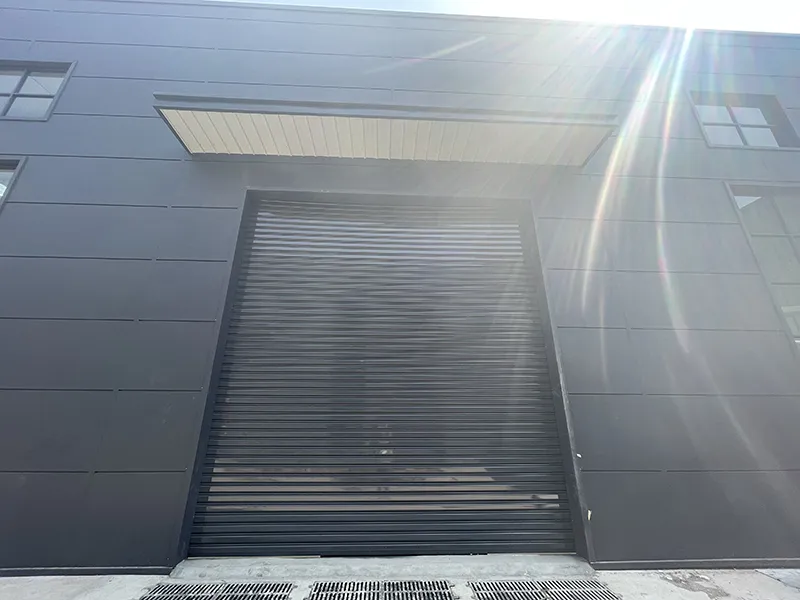
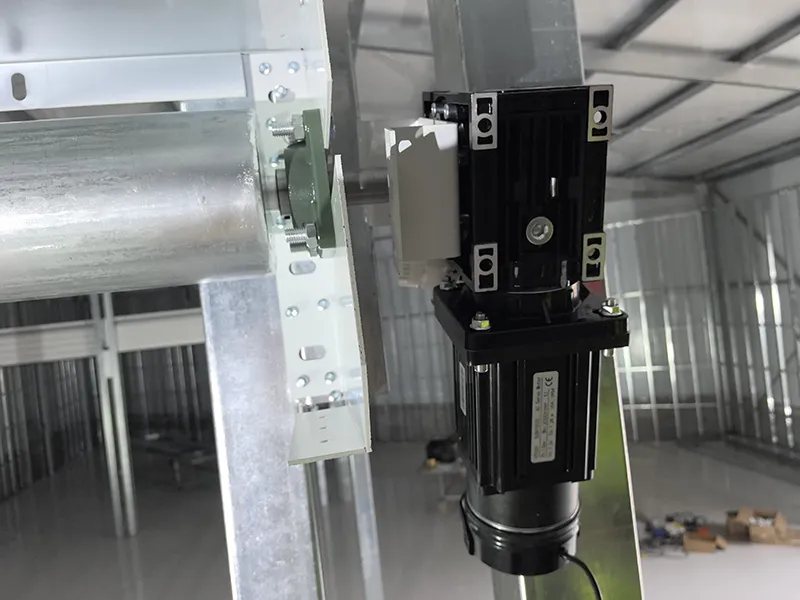
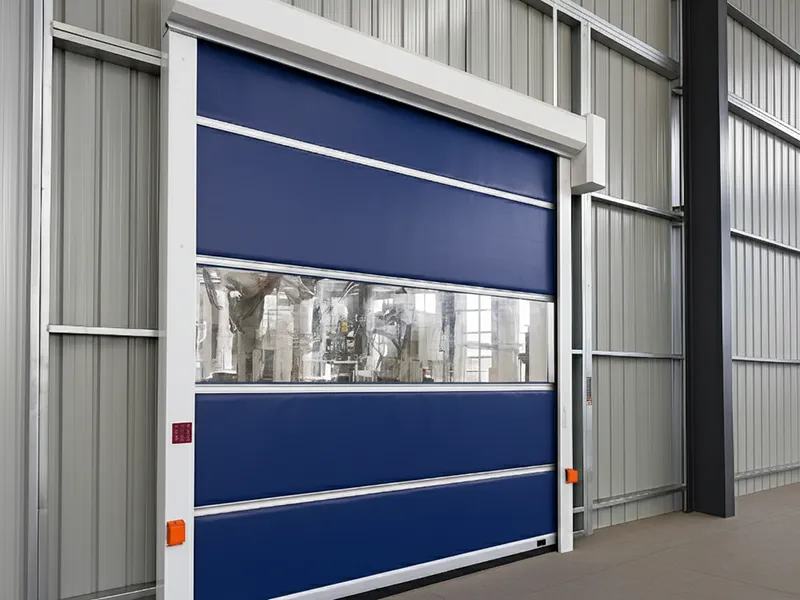
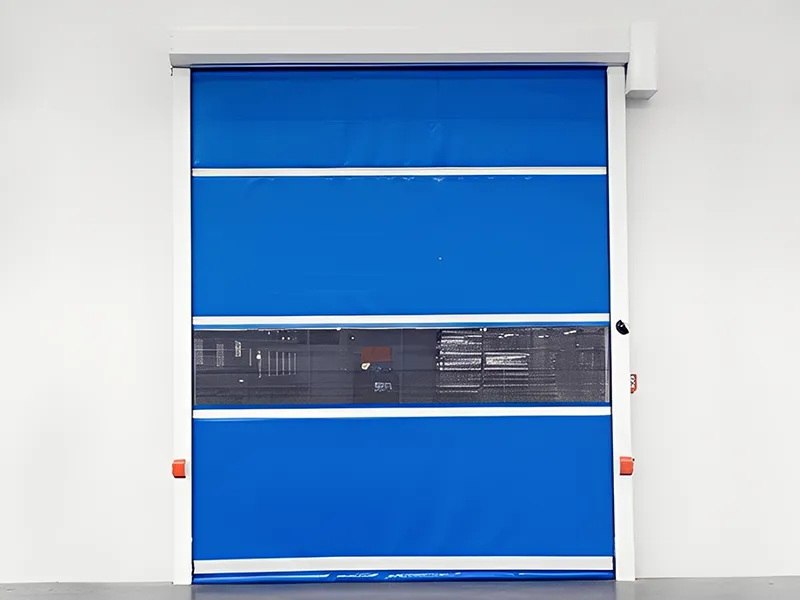
In the demanding world of industrial automation and modern logistics, high-speed doors are essential for maintaining climate control, ensuring hygiene, and facilitating the rapid movement of forklifts and goods. However, the true “heart” of these rapid roll-up or spiral doors is the high-speed door motor (drive system).
Specifically engineered to facilitate rapid opening and closing cycles, these specialized motors play a vital role in eliminating logistical bottlenecks, minimizing HVAC energy wastage, and guaranteeing seamless, 24/7 door functionality. For door manufacturers (OEMs), system integrators, and facility managers, understanding the intricacies of these drive units is critical to building and maintaining a highly efficient automated facility.
Types of High-Speed Door Motors
The performance, lifespan, and control precision of a rapid door depend heavily on the underlying motor technology. Here is a breakdown of the three primary drive systems utilized in the industry today:
AC Asynchronous Motors (with VFD)
Features: Three-phase Alternating Current (AC) motors are the traditional workhorses of the industrial door sector. Because standard AC motors run at fixed speeds, they are almost always paired with a Variable Frequency Drive (VFD) control box to regulate frequency and achieve variable speeds.
Advantages: Renowned for their rugged durability, AC motors provide a highly robust, cost-effective solution with massive torque output. They are exceptionally reliable for heavy-duty applications, such as oversized exterior fabric doors or heavy metal spiral doors, where brute lifting power and long-term mechanical endurance are required.
DC Motors
Features: Direct Current (DC) motors utilize a different electrical principle, allowing for inherent speed regulation without complex external frequency converters.
Advantages: The compact footprint and impressive torque output at lower RPMs are the distinguishing features of DC motors. They offer excellent energy-saving capabilities and smooth acceleration, making them a solid choice for medium-sized high-speed doors in environments where precise speed control and space limitations are primary concerns.
Advanced Servo Motors (The Premium Standard)
Features: Servo technology represents the pinnacle of high-speed door drives. Unlike standard motors, servo systems operate on a closed-loop control mechanism, utilizing a state-of-the-art absolute encoder that constantly communicates the exact millimeter-level position of the door shaft to the controller.
Advantages: Servo motors deliver ultra-fast dynamic response times, flawless mathematically calculated soft-start and soft-stop acceleration curves, and absolute precision. They entirely eliminate mechanical shock and violent jerks during operation. Furthermore, they excel in 100% continuous duty cycles without overheating, rendering them the absolute ideal choice for extremely high-traffic logistics hubs where safety, speed, and zero-maintenance are of utmost importance.
How to Choose the Right High-Speed Door Motor?
Selecting the correct drive unit is not a one-size-fits-all process. For OEMs and procurement managers, several critical engineering factors must be evaluated to ensure optimal performance and prevent premature mechanical failure:
Door Dimensions & Weight (Torque Requirements): The motor must generate sufficient output torque to accommodate the specific size and physical weight of the door leaf. Massive insulated metal doors will demand significantly more powerful motors and specific gear ratios compared to lightweight interior PVC fabric doors to secure smooth, stall-free operation.
Acceleration & Operational Speed: High-speed motors are specifically engineered to swiftly operate doors—often reaching opening speeds of up to 2.5 m/s. It is essential that the motor’s acceleration profile aligns with the required traffic flow, minimizing forklift waiting times while preventing structural strain on the door hinges and fabric.
Frequency of Use (Duty Cycle): Evaluate the exact cycles-per-day your facility demands. Motors in high-traffic logistics areas must boast superior thermal management to support a continuous duty cycle. Standard motors will trigger thermal shutdowns under high-frequency stress, whereas high-end servo motors are designed to withstand continuous operation without failure or overheating.
Environmental Conditions (IP Rating): The operating environment dictates the motor’s housing. Motors utilized in harsh environments—such as washdown food processing plants, dusty mining sites, or -30°C deep-freeze cold storage—must feature high Ingress Protection (IP54 or IP65 ratings) and specialized internal heating/cooling mechanisms to handle these extreme conditions.
Smart Control Integration: Modern facilities require “smart” doors. Ensure the motor’s control panel features a plug-and-play I/O architecture that seamlessly integrates with radar motion sensors, magnetic loop detectors, photoelectric safety edges, and centralized Building Management Systems (BMS).
Maintaining High-Speed Door Motors for Peak Efficiency
To guarantee the durability, safety, and peak efficiency of your rapid door systems, a strict preventive maintenance protocol is mandatory. Neglecting the drive system can lead to costly operational downtime. Here are indispensable maintenance guidelines:
Routine Mechanical Inspections: Consistently conduct visual and physical inspections to ascertain the presence of mechanical wear. Be observant of any unusual grinding sounds, excessive vibrations, or irregularities in the electromagnetic brake’s engagement.
Gearbox Lubrication: Maintaining optimal lubrication within the reduction gearbox is critical to minimize friction and prevent gear tooth wear. It is essential to check oil levels periodically, use the exact synthetic gear oil recommended by the manufacturer, and diligently adhere to the prescribed oil-change intervals.
Cleanliness & Thermal Management: Keep the motor housing, cooling fins, and surrounding control box clean to prevent industrial dust and debris from interfering with heat dissipation. Regular cleaning prevents thermal overload and maintains the motor’s electrical efficiency.
Electrical & Encoder Connections: Check power cables and absolute encoder wiring regularly to ensure they are securely fastened and free from vibration-induced loosening or corrosion. Loose connections can lead to positioning errors, limit switch failures, and erratic motor behavior.
Professional Servicing & Parameter Checks: Schedule professional maintenance at regular intervals. Qualified automation technicians should inspect the VFD/Servo controller parameters, test the fail-safe braking systems, and perform necessary software recalibrations to keep the drive system operating flawlessly.
Why Partner with YUOU® for High-Speed Door Drives?
As a premier manufacturer of industrial door automation, YUOU® supplies world-class drive systems to leading door OEMs and facility integrators globally.
When you source your motors from YUOU, you receive robust servo technology featuring absolute encoders, zero-recalibration guarantees, and fully integrated smart control boxes. We offer factory-direct B2B pricing, comprehensive technical support, and OEM customization capabilities to ensure your high-speed doors dominate the market in speed, safety, and reliability.
Conclusion
The operational efficiency of any fast-paced industrial facility relies heavily on the quality of its high-speed door motors. Selecting the right motor technology—whether a rugged AC drive or a highly precise Servo system—comprehending the operational environment, and enforcing strict maintenance protocols are the keys to ensuring decades of reliable door performance. Opting for the correct drive unit not only slashes HVAC energy costs but significantly enhances the overall logistical productivity of your facility.
If you are an industrial door manufacturer or systems integrator requiring in-depth technical data, CAD drawings, or personalized OEM product recommendations, do not hesitate to reach out to our engineering experts at YUOU®. We will provide comprehensive guidance throughout the selection process, ensuring you deliver the ultimate high-speed door solution to your clients.