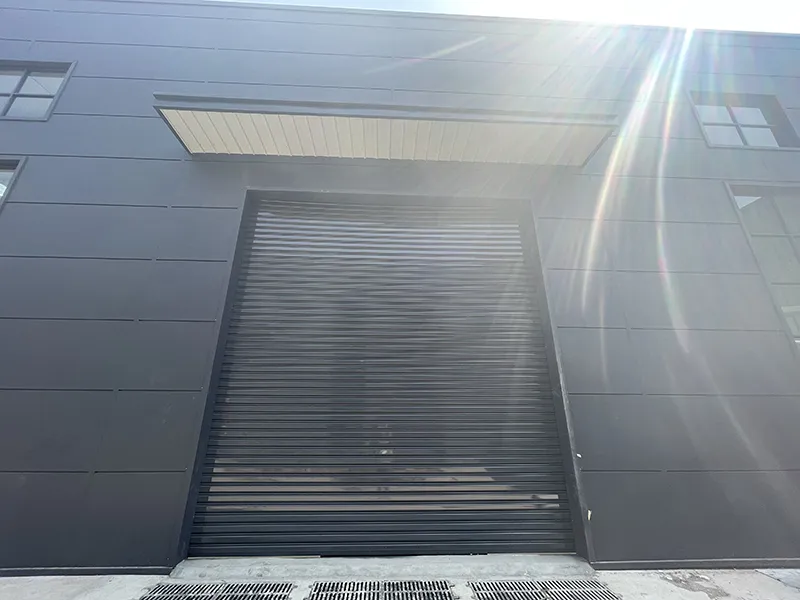
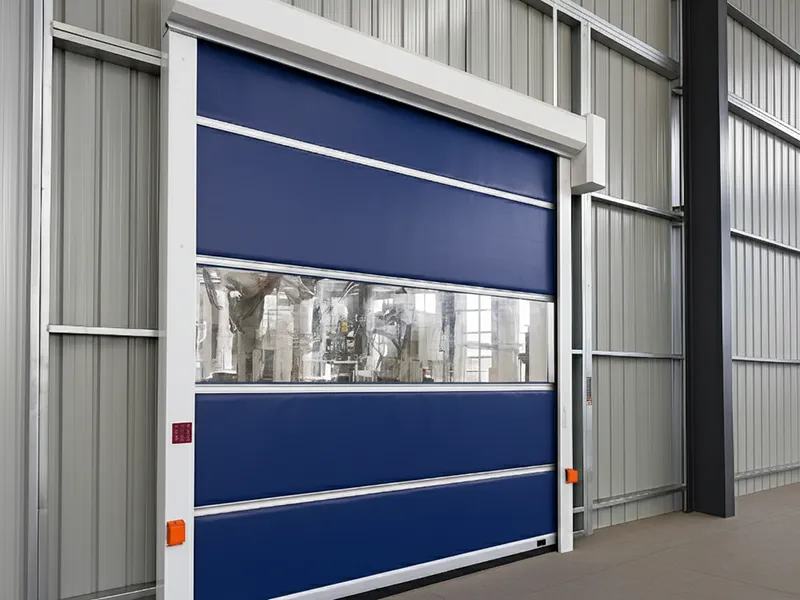
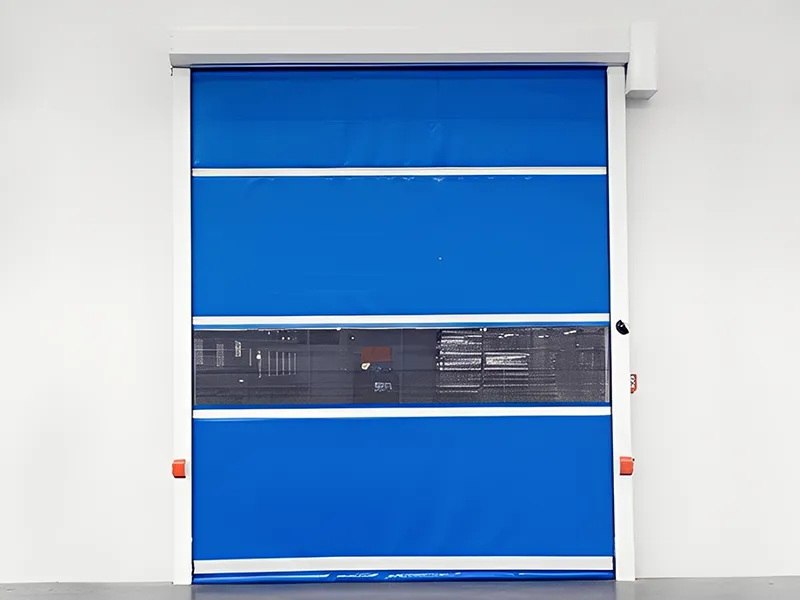
In the realm of modern industrial architecture, the demand for colossal openings is increasing. From the gargantuan hangars required for wide-body aircraft to the massive dry docks of global shipyards, standard door solutions simply cannot meet the structural or operational requirements. This is where Mega Doors come into play.
Mega Doors represent the pinnacle of industrial entrance engineering—designed not just to close a gap, but to provide a high-performance, weather-tight, and ultra-secure barrier for the world’s largest facilities.
Technical Architecture: What Makes a Door “Mega”?
A true mega door is distinguished by more than just its size; it is defined by its ability to maintain structural integrity under immense pressure. At YUOU®, our engineering team focuses on three core technical pillars:
Wind Load Resistance: Large surface areas act like sails. Our mega doors are engineered with internal steel trusses and reinforced guide rails to withstand hurricane-force winds (up to Class 12 or higher).
Load-Bearing Precision: Whether it is a vertical lift or a sliding system, the hardware must support weights exceeding several tons without sagging or track deformation.
Intelligent Control Systems: Every door is powered by a high-torque industrial motor integrated with a PLC (Programmable Logic Controller), allowing for soft-start, soft-stop, and multi-sensor safety monitoring.
Advanced Types of Mega Doors and Their Mechanisms
Fabric Mega Doors (Double-Curtain Systems)
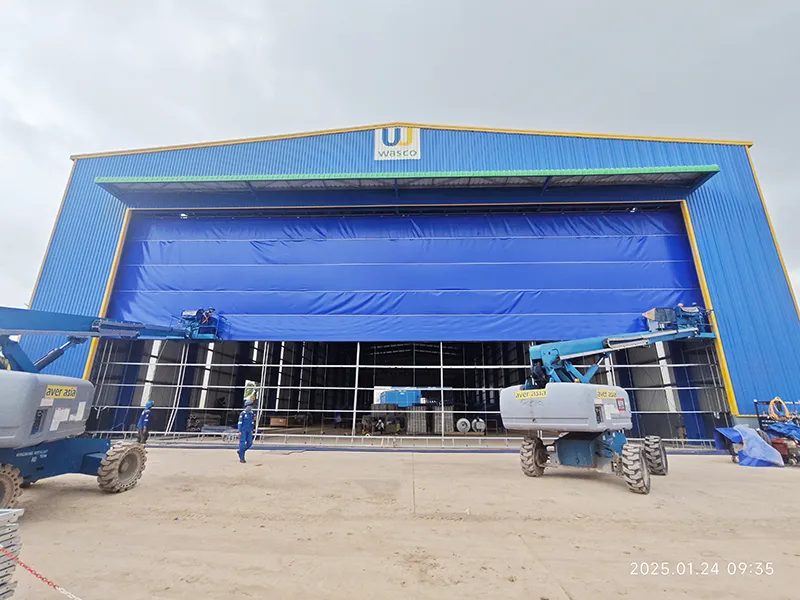
These are the preferred choice for extreme heights and widths. They consist of two layers of high-strength, UV-resistant PVC fabric reinforced with horizontal aluminum or steel beams.
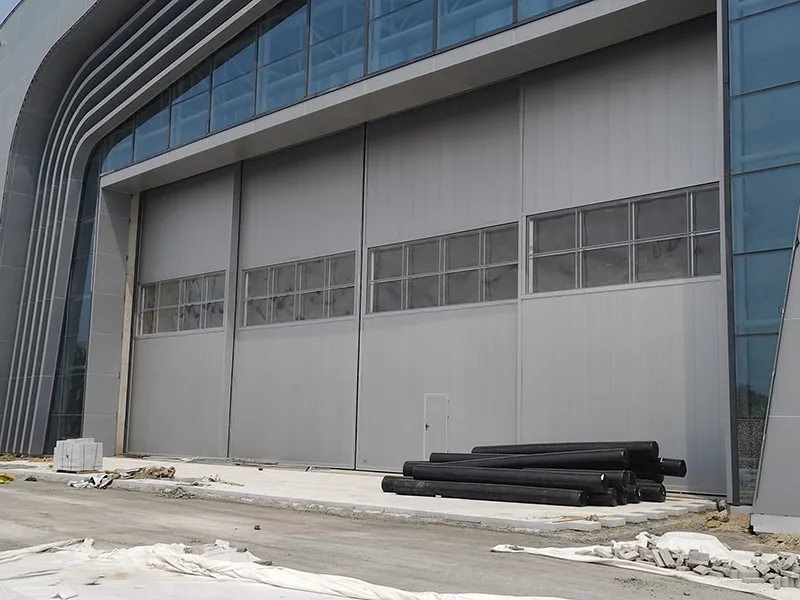
Sliding Hangar Doors (Rigid Security)
For facilities requiring maximum physical protection, heavy-duty sliding doors are the standard. They run on bottom tracks and are supported by top guides, making them incredibly stable.
Industrial Folding Doors (Multi-Panel Versatility)
Designed for wide spans with limited side-room, folding doors accordion inward or outward.