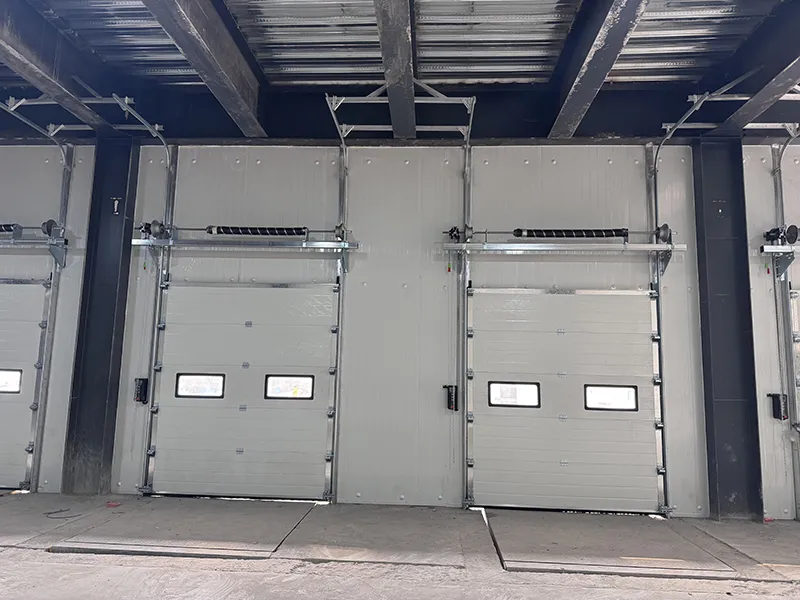
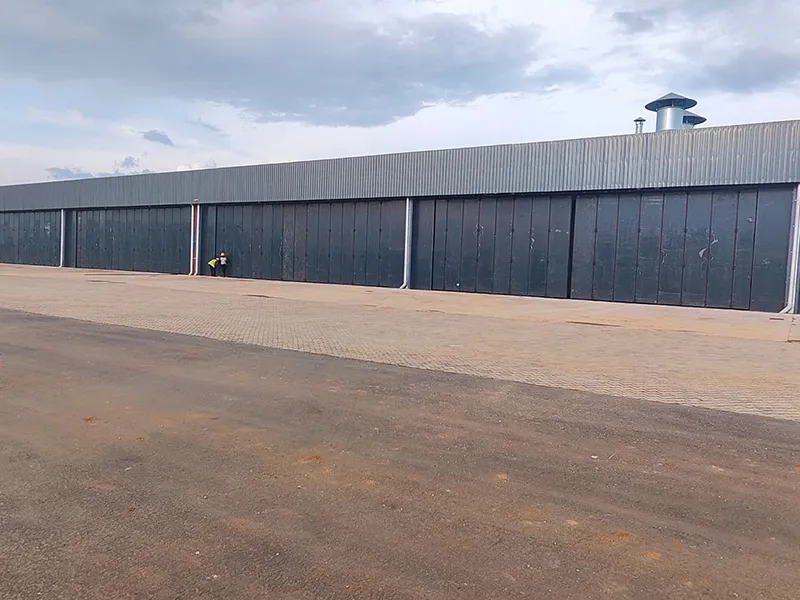
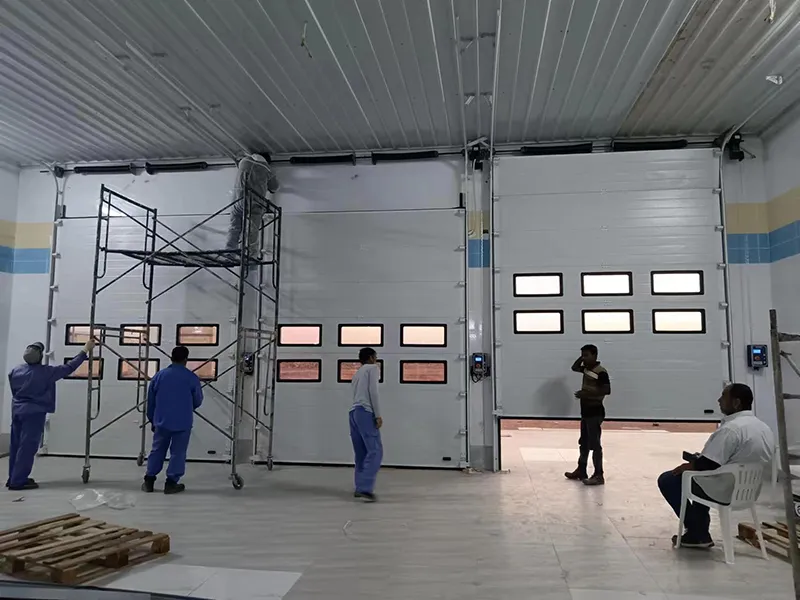
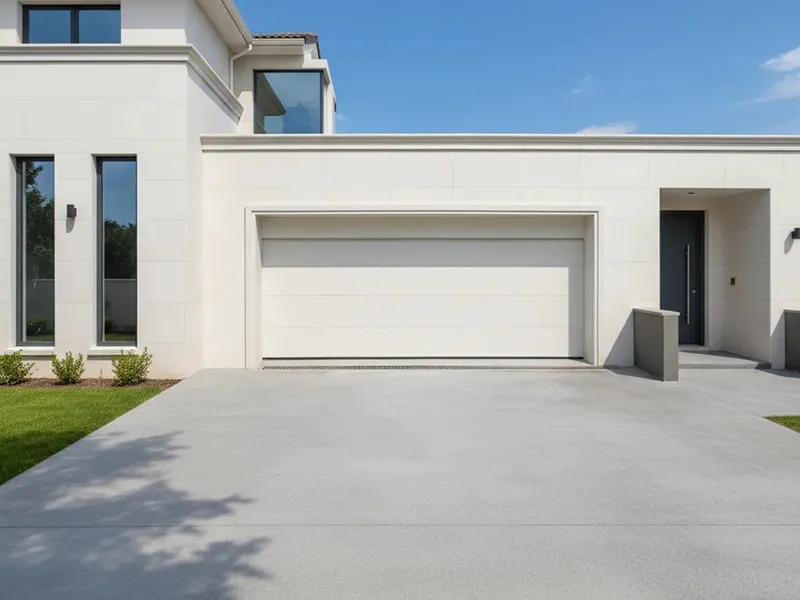
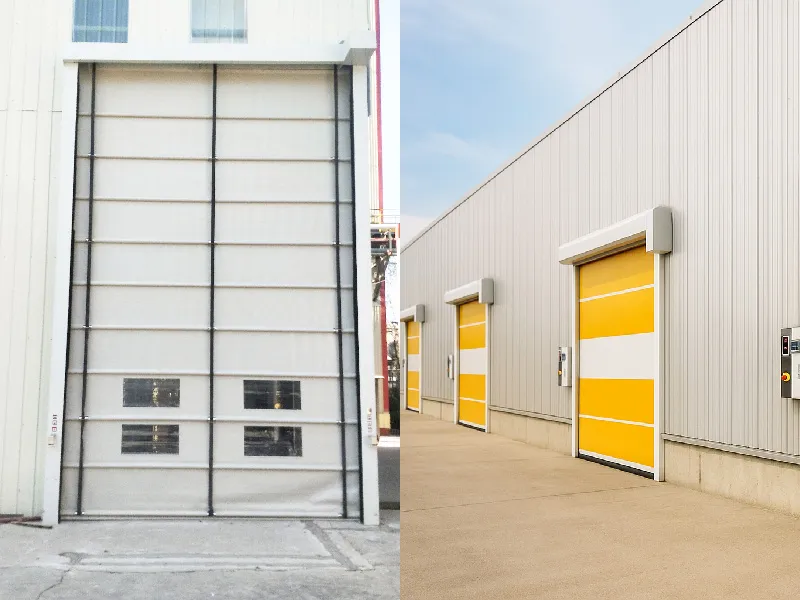
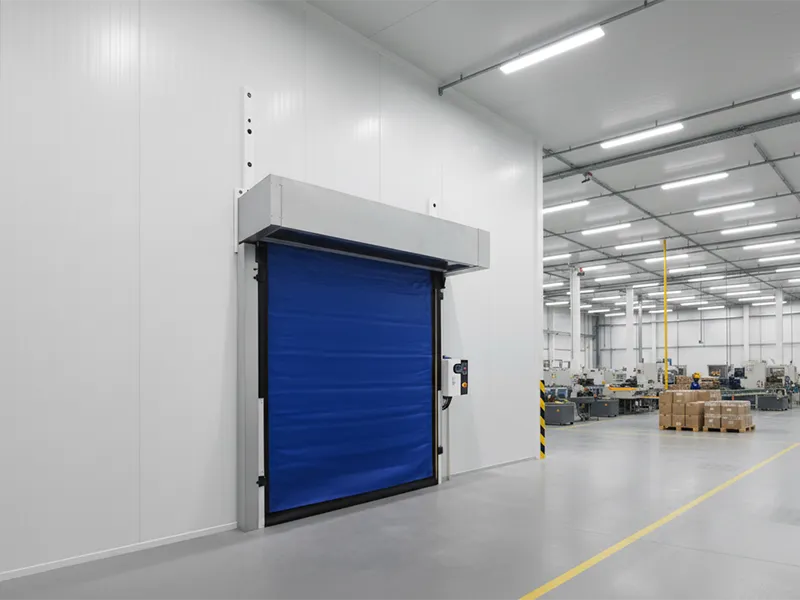
In large-scale industrial architecture, standard doors often fall short when dealing with massive openings. Industrial folding doors , particularly industrial sandwich panel folding doors , provide a high-performance solution that combines structural rigidity with space-saving mechanics.
Whether it’s for a fire station, a logistics warehouse, or an aircraft hangar, understanding the engineering behind these doors is key to selecting the right entrance for your facility.
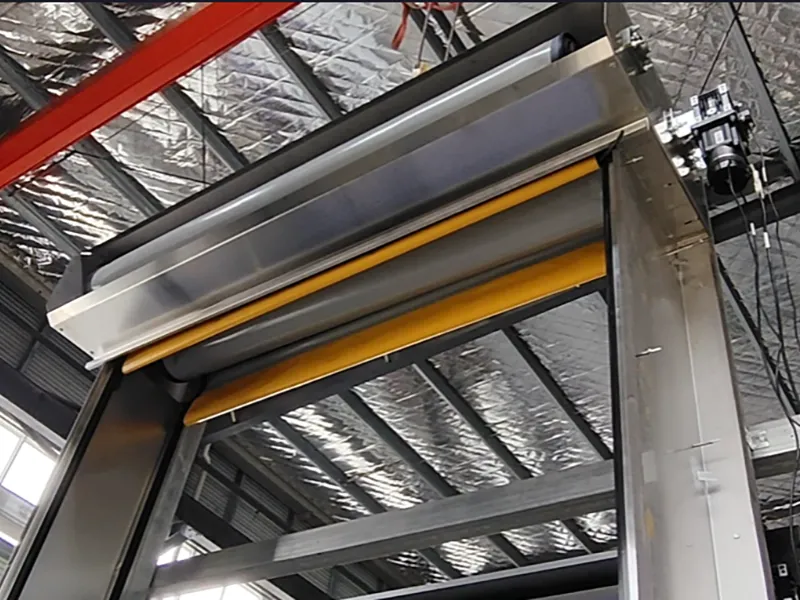
Defining the Industrial Folding Door An industrial folding door consists of multiple vertical panels hinged together. Unlike roll-up doors that coil at the top, or sliding doors that require long side-walls, folding doors fold into a compact “accordion” stack on one or both sides of the opening. This design allows for maximum clear width and height, essential for moving oversized machinery or vehicles.
Deep Dive: The Structure of a Sandwich Panel Folding Door The “Sandwich” Insulation Technology What sets the industrial sandwich panel folding door apart is its thermal performance.
The Skin: High-tenacity galvanized steel sheets (0.8mm – 1.0mm) provide the outer shield.
The Core: High-density polyurethane (PU) foam is injected between the steel skins, creating a 57mm to 77mm thick “sandwich.”
The Result: Superior R-values that keep your facility warm in winter and cool in summer, significantly reducing energy overheads.
Reinforced Frame & Track System Track Engineering: Heavy-duty top-hanging tracks bear the weight of the panels, while bottom tracks (optional) provide lateral stability against wind.
The V-Cam Hinge: Specialized heavy-duty hinges allow the panels to fold 180°, ensuring the stack is tucked neatly away from the traffic path.
How the Folding Mechanism Works The operation of an industrial folding door can be broken down into three modes of movement:
Command Execution: The PLC control box receives a signal from a push-button, remote, or induction sensor.
Motor Synchronization: The motor drives a series of gears and high-tensile chains.
The “Folding” Action: As the leading panel moves, the hinges pull the subsequent panels into a fold. High-precision rollers ensure this movement is whisper-quiet and friction-free.
Manual vs. Automatic: Choosing Your Operation Manual Folding Doors: Ideal for areas with low-frequency traffic. Their balanced design means even a door spanning 10 meters can be opened with one hand.
Automatic Folding Doors: Perfect for high-traffic fire stations or busy workshops. These systems feature rapid opening speeds and integrated safety light curtains to prevent collisions.
Why the Industrial Folding Door is a Strategic Choice 🌪️ Extreme Wind Resistance Thanks to the internal steel framework and thick panels, these doors are the premier choice for coastal areas or high-altitude sites. They can withstand significantly higher wind loads than standard PVC rapid doors.
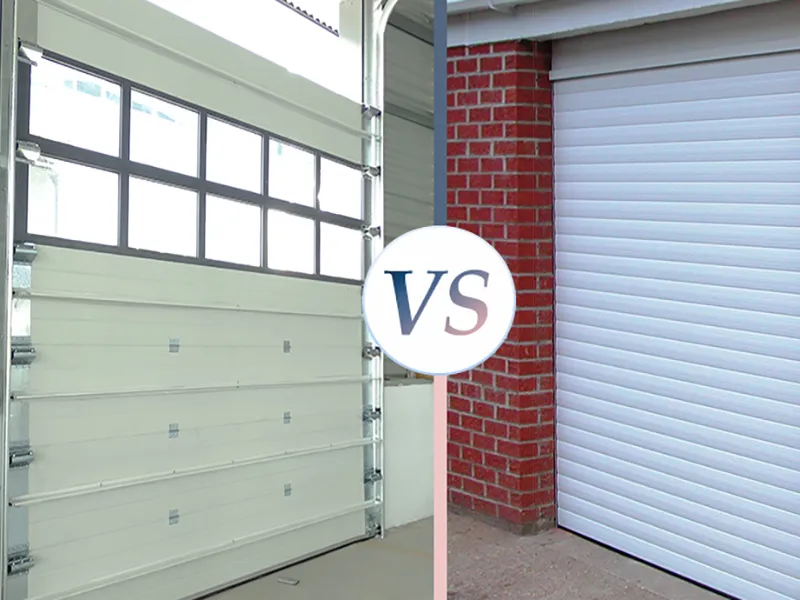
📐 Space Efficiency Folding doors require zero “back-room” (unlike sectional doors) and very little “side-room” (unlike sliding doors). This makes them the ultimate space-less solution for cramped facility perimeters.
🔧 Low Maintenance ROI With no springs to snap (unlike sectional doors) and no cables to fray, the maintenance requirements are minimal. Regular lubrication of the hinges and track cleaning is usually all that’s needed to ensure a 15-year+ lifespan.
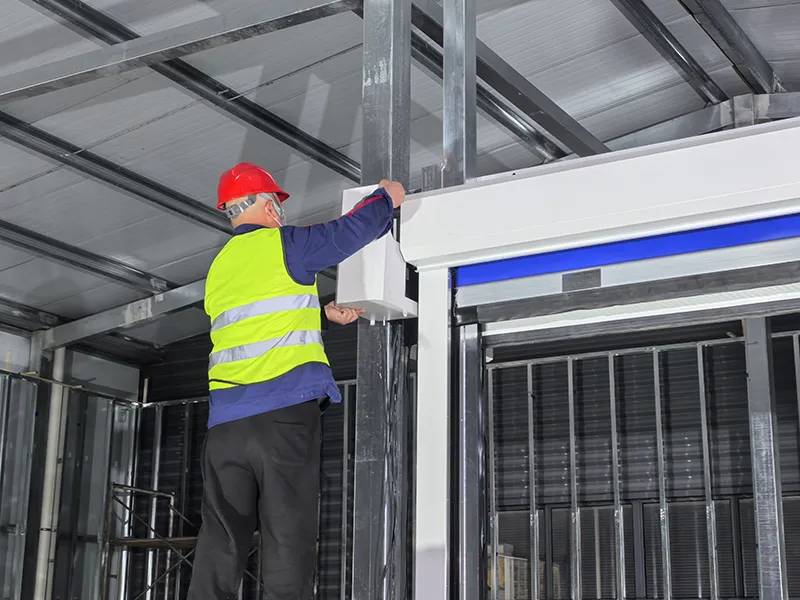
Professional Maintenance & Installation Tips To ensure your industrial sandwich panel folding door remains a reliable asset:
Track Hygiene: Keep the bottom track clear of gravel and debris to prevent roller wear.
Hinge Audit: Check for bolt tightness annually, as industrial vibrations can occasionally loosen fasteners.
Emergency Override: Regularly test the manual chain system to ensure you can open the door during a power outage.