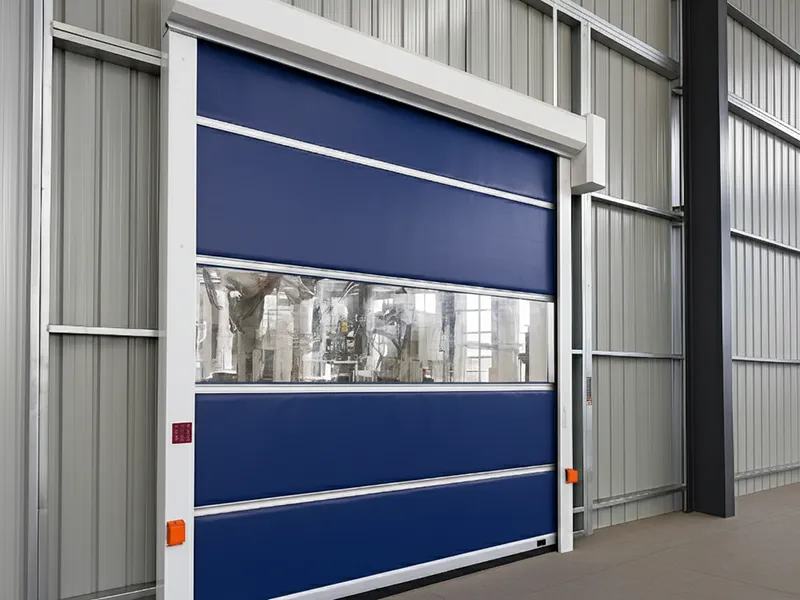
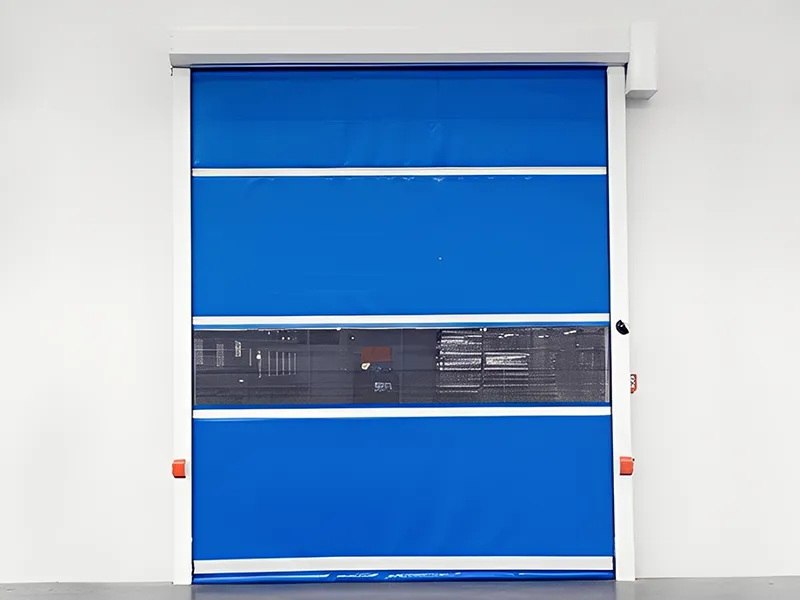
Proper installation is the foundation of long-term reliability and performance for high-speed doors. Whether you are installing a PVC Fast Door , a Self-repairing Zipper Door , a Freezer Door , or a Stacking High-Speed Door , following a standardized technical process is essential to ensure safety and operational efficiency.
Below is the expert-recommended installation workflow for YUOU® high-speed door systems.
Whether for a luxury private villa or a high-end commercial showroom, our doors are designed to enhance property value while ensuring seamless, reliable operation for years to come.
Pre-Installation: Site & Tools Checklist Before beginning, ensure the mounting surface (steel frame or concrete) is level and capable of supporting the door’s weight.
Essential Tools: Laser level, hammer drill, professional wiring tools, and a mechanical lift for head-unit installation.
Verification: Double-check the opening dimensions against the door specifications.
Structural Assembly & Mounting Track and Frame Installation Align the vertical guide rails on both sides of the opening. Use a laser level to ensure they are perfectly parallel. For Zipper Doors , ensure the tracks are clean to allow the self-repairing teeth to move smoothly.
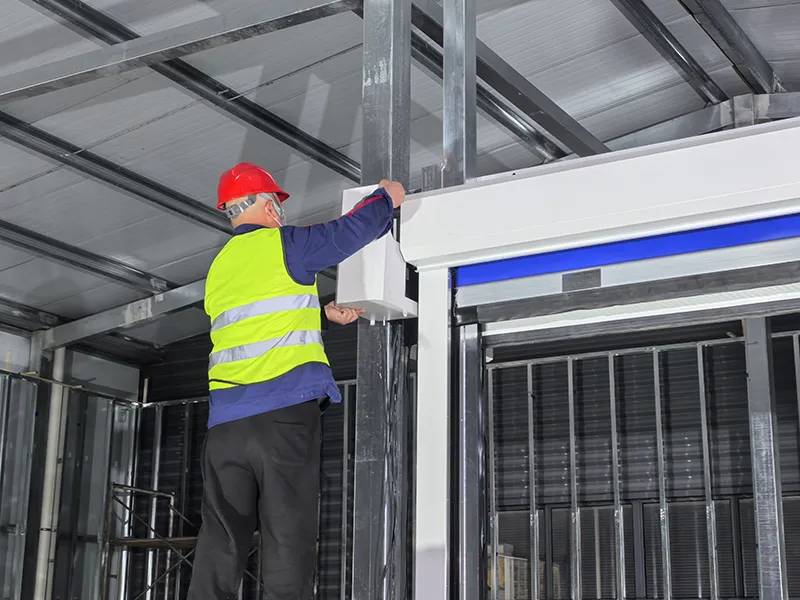
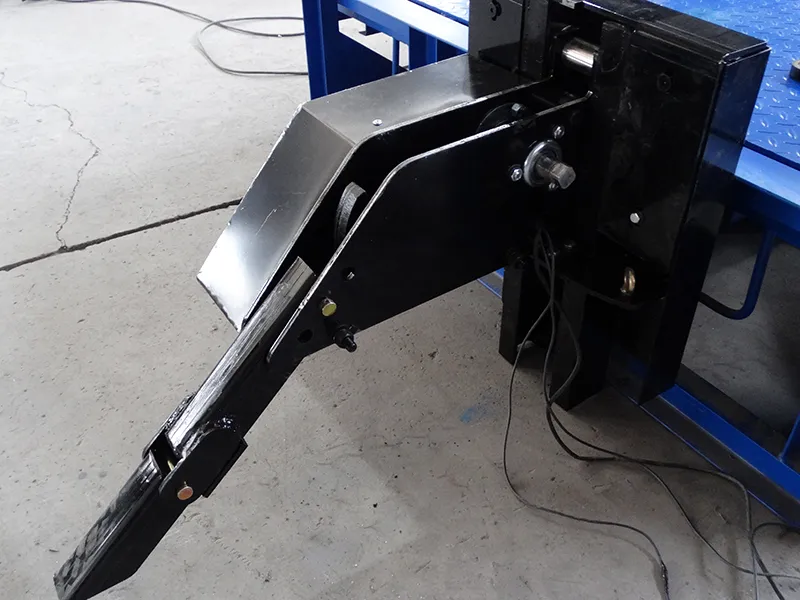
Head Unit & Motor Placement Lift the head unit (containing the roller barrel and motor) into position. Secure the brackets firmly to the wall or support frame. For Stacking Doors , ensure the lifting straps are correctly aligned with the motor shaft.
Curtain & Electrical Integration Threading the Curtain Carefully feed the PVC curtain into the tracks. For Freezer Doors , ensure the heating wires in the tracks are connected before final assembly to prevent future frost buildup.
Control Box Wiring Connect the motor and sensors to the PLC control box as per the circuit diagram. (Refer to the wiring image in your editor for precise cable placement).
Final Commissioning (Expanding Your Current Steps) Power-On and Functional Test After powering on the control box, manually trigger the door to check the rotation direction of the motor. Test whether the door opens and closes to the correct limit positions without vibration or abnormal noise.
Final Sealing and Cover Closure Once the limits are set, close the protective covers for the motor and the track. This protects the internal components from dust and moisture—critical for Food Factory and Clean Room applications.
Additional Device Calibration Install and test additional activation devices:
Radars & Loop Inductors: Calibrate the detection range to ensure the door opens automatically for forklifts but ignores pedestrian cross-traffic.
Infrared Safety Photocells: Ensure the door reverses immediately if an obstruction is detected during closing.
Handover and Completion Verify that the emergency manual override (hand crank) works in case of power failure. The installation is now complete, and the door is ready for high-frequency daily operation.
Maintenance Tips for Long-Term Performance Clean the Sensors: Dust on the photocells or radars can cause malfunctions.
Lubricate Sparingly: While most YUOU® doors are low-maintenance, ensure the tracks remain free of debris.
Inspect the “Zipper”: For zipper doors, check the edge periodically for any wear that might affect the self-repairing function.