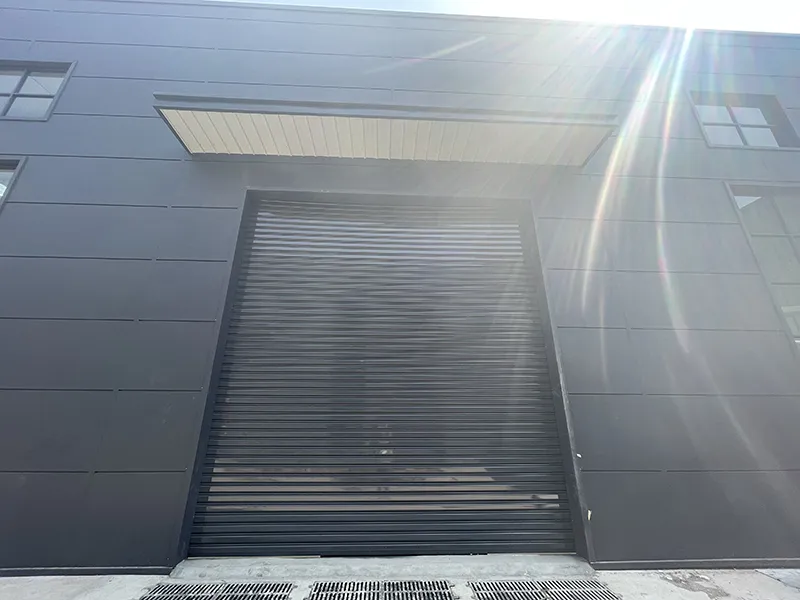
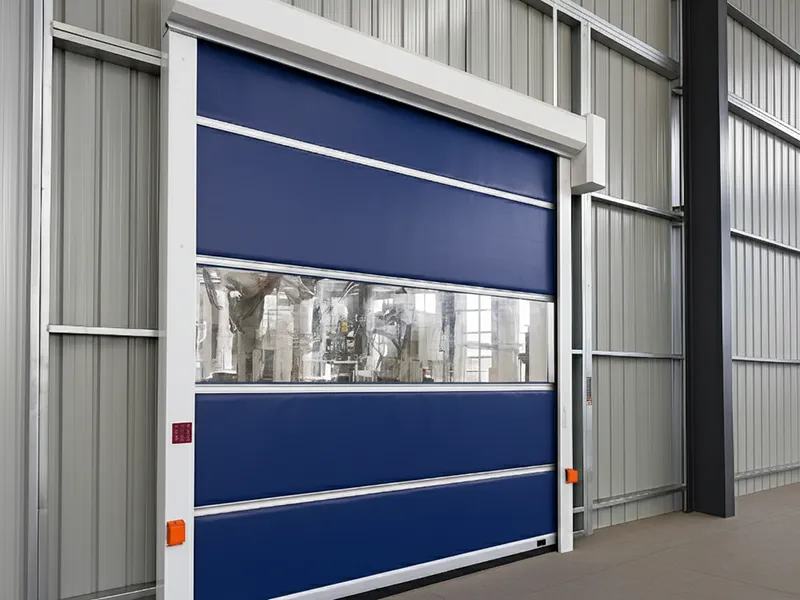
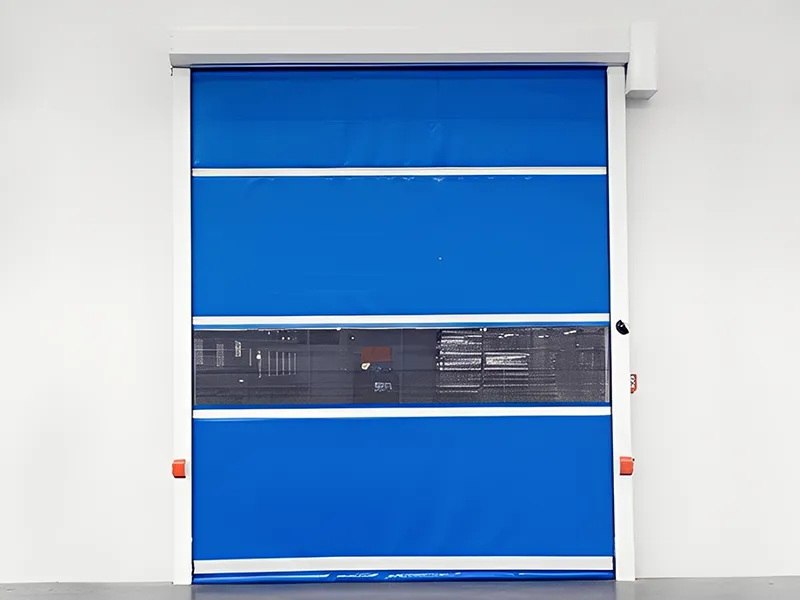
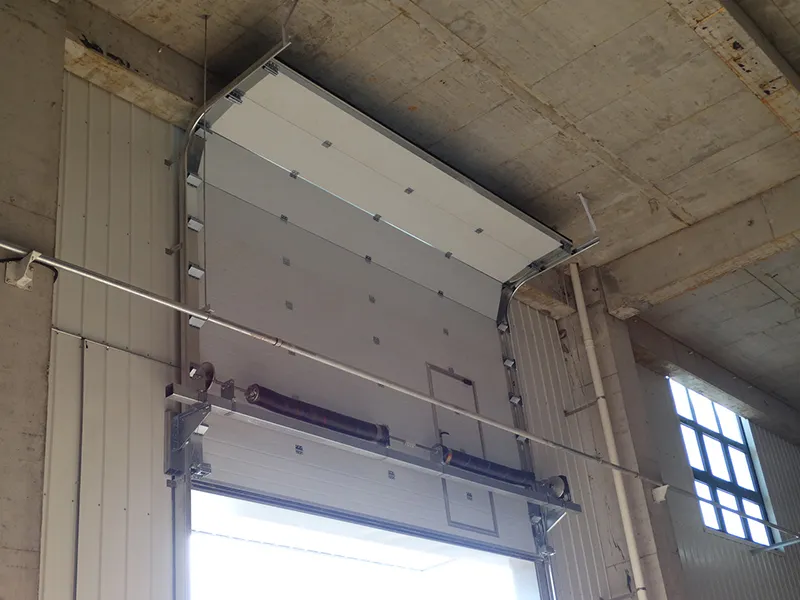
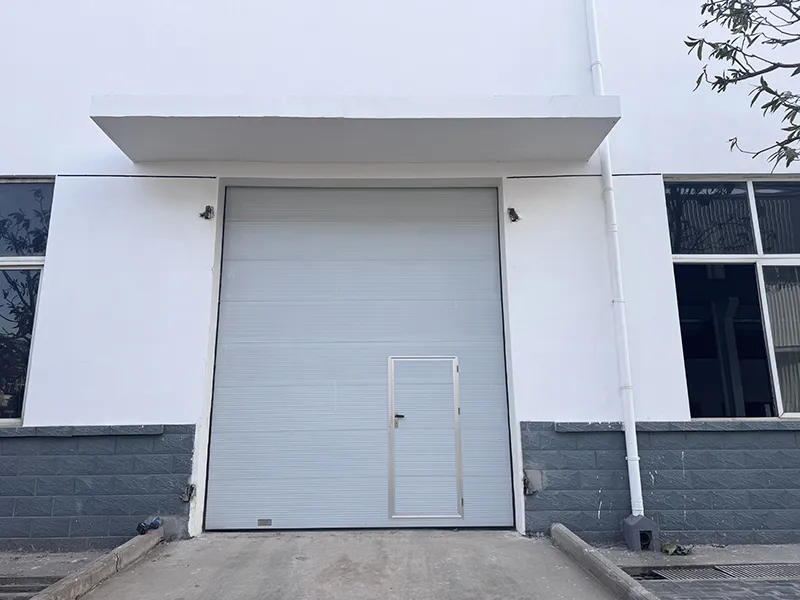
In industrial and commercial architecture, a sectional door is far more than a simple moving wall. It is a high-performance system designed to balance insulation, security, and operational frequency. At the heart of this system lies the sectional door panel —the primary barrier that defines your facility’s energy efficiency and safety.
Whether you are designing a high-traffic logistics hub or a premium automotive showroom, understanding the engineering behind these panels is crucial for a long-term investment.
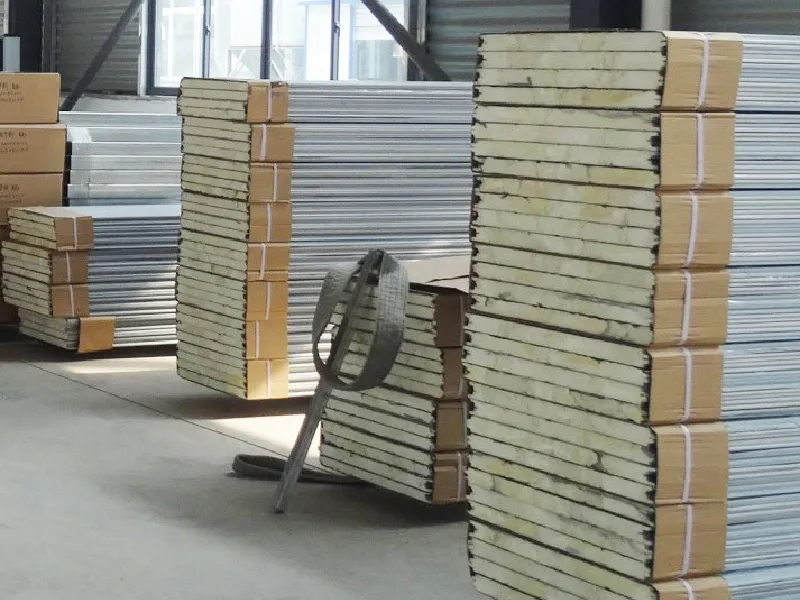
The Anatomy of Performance: Why Panel Construction Matters Sectional door panels are modular segments connected by heavy-duty hinges, allowing the door to retract vertically and save precious floor space. However, their real value lies in their “Sandwich” construction.
Thermal Breaks: High-quality insulated sectional doors feature a thermal break—a non-conductive barrier between the inner and outer steel skins—that prevents heat or cold from transferring through the door.
High-Density PU Core: Most industrial sectional doors use CFC-free polyurethane foam. This provides structural rigidity and a high R-value (Thermal Resistance), keeping internal temperatures stable regardless of external weather.
Material Excellence: Selecting the Right Panel for Your Facility Steel + PU Sandwich Panels (The Industrial Standard) The most popular choice for warehouses. These panels offer the best strength-to-weight ratio and are available in thicknesses from 40mm to 80mm for extreme cold storage needs.
Full-View Aluminum & Glass (The Commercial Favorite) For car dealerships and fire stations, full view sectional doors utilize aluminum frames with tempered or laminated glass. They maximize natural light and offer a sleek, modern aesthetic that enhances “curb appeal.”
Polycarbonate Panels (Impact Resistance) Ideal for facilities that need light transmission but require more durability than glass. Polycarbonate is virtually unbreakable and provides excellent UV protection.
Key Benefits of Upgrading to Premium Panels Space Optimization: Because they open vertically and rest parallel to the ceiling, they are perfect for facilities with restricted head-room or high-stacking requirements.
Advanced Security: Modern panels are designed to resist prying and impact. When paired with automatic sectional door motors, they feature self-locking mechanisms to prevent unauthorized entry.
Acoustic Insulation: Thick PU panels act as a sound barrier, reducing noise pollution in busy urban loading docks or manufacturing zones.
Maintenance: Protecting Your Investment To ensure your overhead sectional door reaches its 15-year+ potential, follow these expert tips:
Check the Seals: The EPDM rubber seals between panels and at the bottom must be intact to maintain the door’s R-value.
Lubricate Hinges: High-speed movement puts stress on panel joints; regular lubrication prevents friction-related cracking.
Monitor Balance: A heavy panel system relies on torsion springs. If the door feels heavy to lift manually, the springs need professional adjustment to prevent motor burnout.
Conclusion: Partnering with a Professional Supplier Selecting the right panel is the first step toward a safer, more efficient workplace. As a leading sectional door supplier , YUOU® offers bespoke panel solutions tailored to your specific wind load, insulation, and aesthetic requirements.